EVERGREEN

Plant Encyclopedia

Hemerocallis

Hemerocallis (genus, daylily)

Japanese name: ヘメロカリス
Scientific name: Hemerocallis

Hemerocallis

[Overview]
A perennial.
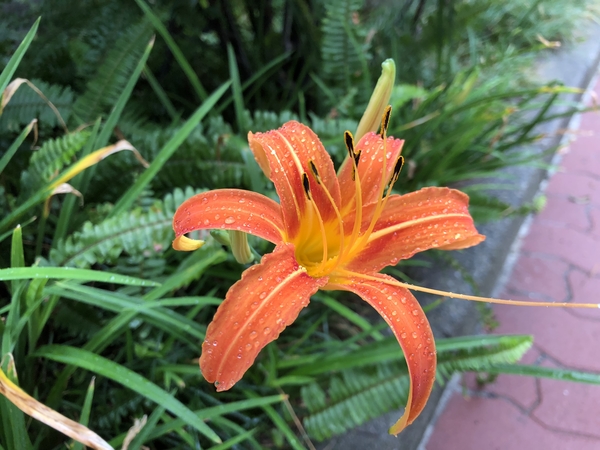
The leaves are simple, linear, and arise from the base in two rows.
A dichasial cyme is produced at the tip of the flower stalk.
Each flower lasts only one day, but they open one after another.
The color and shape of the flowers vary.
The fruit is a capsule.

[Cultivation]
Propagate from seed or by division.
It prefers a sunny, well-drained place rich in organic matter.
It is hardy, and when planted in a garden it grows well even if left alone.
Water thoroughly when the soil surface dries.
Apply base fertilizer, and also slow-release fertilizer once each in March–April and September–October.
Remove spent flowers promptly when flowering is over.
Aphids can occur.

Details

Names
English: daylily
Japanese: ヘメロカリス
Life form
Perennial
Habit
Terrestrial
Planting (or sowing) season
March, April, May, September, October
Flowering season
May, June, July, August, September
Distribution or origin
Eastern Asia
Leaf shape
Linear
Leaf arrangement
Basal
Inflorescence
Dichasium (dichasial cyme)
Flower color
Red, Orange, Yellow, Pink, White, Multicolor
Leaf color
Green
Availability of seeds and plants
Low
Form sold
Seedlings
Propagation
Seed, Division
Sun exposure
Full sun
Water needs
Dry, Moderate
Soil needs
Required
Tolerance
Cold tolerance, Heat tolerance
Suitable uses
Ground cover, Potted plant, Flower bed, Parks and gardens
Pests
Aphids
Japan Flower Trade Code
16088

Translated from our Japanese encyclopedia. If anything differs, the Japanese page is correct.

Sponsored