EVERGREEN

Plant Encyclopedia

Pisum sativum var. macrocarpum

Pisum sativum var. macrocarpum (edible-podded pea, "Sayaendo")

Japanese name: サヤエンドウ (莢豌豆)
Scientific name: Pisum sativum var. macrocarpum

Pisum sativum var. macrocarpum

[Overview]
A cold-hardy climbing annual.
The stems and leaves are covered with a waxy coating and look whitish.
The stem is hollow.
The leaves are alternate and pinnately compound, with the terminal leaflets changed into tendrils.
There are two well-developed stipules at the base of each leaf.
From the upper leaf axils, forked flower stalks 2–5 cm long emerge, often bearing two flowers.
The flowers are butterfly-shaped (papilionaceous) and reddish purple or white.
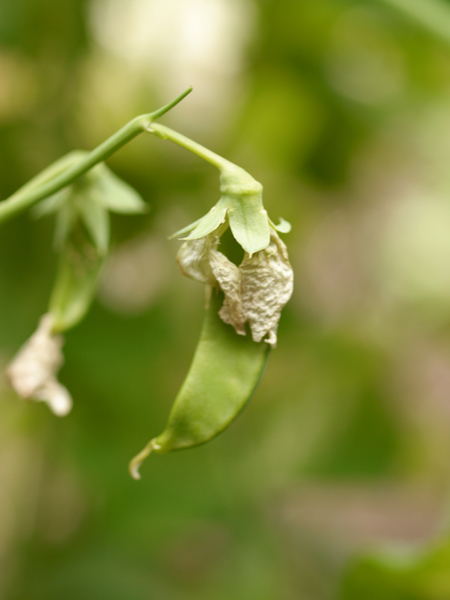
The fruit is a flat legume.

[Uses]
The young pods are eaten.

[Cultivation]
It prefers neutral soil that is sunny, moisture-retentive and well drained.
It does not tolerate continuous cropping, and growth is poor in acidic soil.

Details

Names
English: edible-podded pea
Japanese: サヤエンドウ(莢豌豆)、スナップエンドウ
Life form
Herbaceous climber
Habit
Terrestrial
Planting (or sowing) season
October, November
Flowering season
April, May, June
Fruiting season
April, May, June
Growth form
Climbing
Leaf shape
Even-pinnate compound leaf
Leaf arrangement
Alternate
Leaf margin
Entire
Flower color
Purple, White
Inflorescence length
20–50
Leaf color
Green
Availability of seeds and plants
Low
Form sold
Seeds
Sun exposure
Full sun
Soil needs
Required
Suitable uses
Container, Balcony
Diseases
Powdery mildew
Pests
Aphids, Armyworms, Leafminer flies, Cucumber moths
Edible parts
Fruit
Uses
Edible

Translated from our Japanese encyclopedia. If anything differs, the Japanese page is correct.

Sponsored