EVERGREEN

Plant Encyclopedia

Peperomia

Peperomia (genus)

Japanese name: ペペロミア
Scientific name: Peperomia

Peperomia

[Overview]
Most are evergreen perennials, but some are annuals.
Some have tuberous roots.
The stems branch freely and are either upright or semi-climbing.
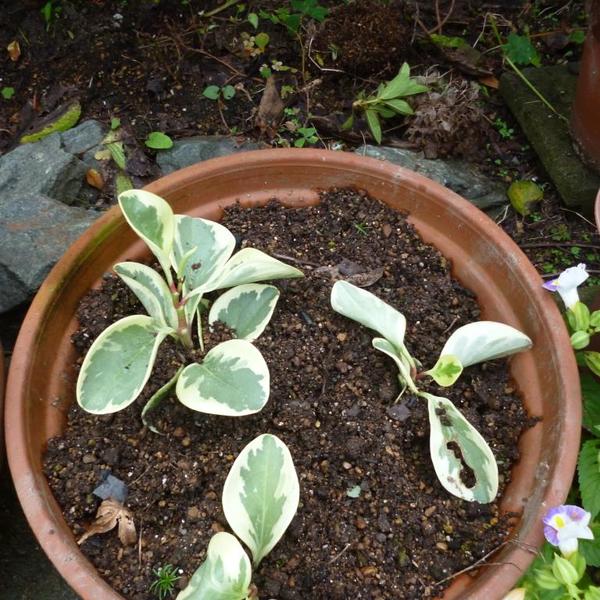
The leaves are simple, alternate, opposite or whorled, fleshy, and entire.
The flowers are densely borne on slender spikes; they have no petals and are white to pale green.
The fruit is berry-like.

[Cultivation]
Propagate by division, stem cuttings or leaf cuttings.
Keep it at 10°C or above over winter.
It prefers partial shade and well-drained soil.
Water thoroughly after the soil surface has dried.
From spring to autumn, place slow-release fertilizer on the soil.
Pests and diseases include spider mites and scale insects.

Details

Names
Japanese: ペペロミア
Life form
Annual, Perennial
Evergreen / deciduous
Evergreen
Habit
Terrestrial, Epiphytic
Planting (or sowing) season
May, June, July, August
Foliage season
January, February, March, April, May, June, July, August, September, October, November, December
Distribution or origin
Tropics to temperate zones
Growth form
Creeping, Branching, Climbing
Leaf shape
Simple leaf (unlobed)
Leaf arrangement
Opposite, Alternate, Whorled
Leaf margin
Entire
Inflorescence
Spike
Flower color
Green, White
Leaf color
Green, Multicolor
Availability of seeds and plants
Low
Form sold
Seedlings
Propagation
Division, Bud cuttings, Leaf cuttings
Sun exposure
Partial shade
Water needs
Dry, Moderate
Soil needs
Required, Sphagnum moss, Not required
Tolerance
Heat tolerance
Suitable uses
Hydroculture, Potted plant, Aquaterrarium, Kokedama
Pests
Spider mites, Scale insects
Japan Flower Trade Code
22098

Translated from our Japanese encyclopedia. If anything differs, the Japanese page is correct.

Sponsored