EVERGREEN

Plant Encyclopedia

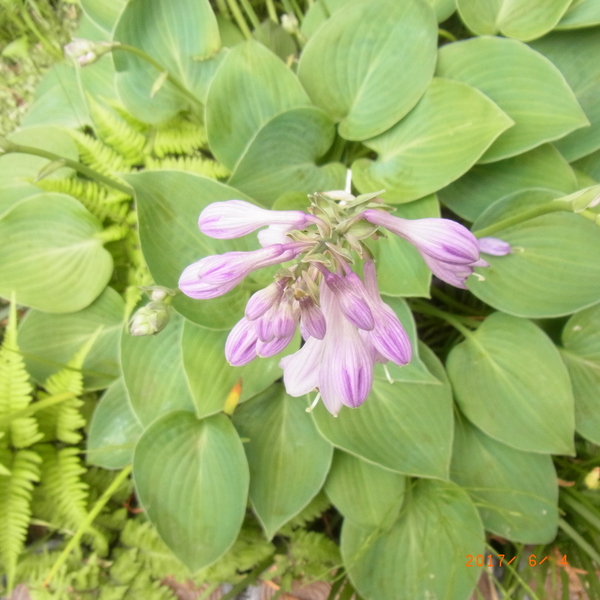
Hosta

Hosta (genus, hostas, "Giboshi")

Japanese name: ギボウシ (擬宝珠)
Scientific name: Hosta

Hosta

[Overview]
A perennial.
It has a rhizome.
The leaves are simple and basal.
A raceme at the tip of the flower stalk bears many flowers.
The flowers have bracts.
The flowers have 6 petals and usually open in the morning and wither in the evening, lasting one day.
The fruit is a capsule, and the seeds have a wing on one side.

[Cultivation]
Propagate from seed or by division.
It prefers sun to bright shade and moderately moist soil that is well drained and moisture-retentive.
Strong direct sunlight in summer can scorch the leaves, so move potted plants to airy shade in summer, and plant those in the ground under deciduous trees or similar.
For potted plants, water thoroughly when the soil surface dries; for plants in the ground, rainfall is sufficient unless summer brings a long spell of sunny weather and the soil dries out.
Apply organic fertilizer placed on the soil in spring and autumn.
Pests and diseases include southern blight, viral diseases, aphids and slugs.

Details

Names
English: hostas, plantain lilies
Japanese: ギボウシ(擬宝珠)
Life form
Perennial
Habit
Terrestrial
Planting (or sowing) season
February, March, September, October
Flowering season
July, August, September
Foliage season
April, May, June, July, August, September, October
Distribution or origin
East Asia
Leaf shape
Simple leaf (unlobed)
Leaf arrangement
Basal
Inflorescence
Raceme
Number of petals
6
Flower color
Purple, White
Leaf color
Yellow, Yellowish white, Green, Multicolor
Availability of seeds and plants
Low
Form sold
Seedlings
Propagation
Seed, Division
Sun exposure
Full sun, Partial shade
Water needs
Moderate, Moist
Soil needs
Required
Suitable uses
Ground cover, Bonsai, Potted plant, Flower bed, Parks and gardens, Slope greening, Wall greening, Waterside greening, Container
Diseases
Southern blight, Viral disease
Pests
Aphids, Slugs
Japan Flower Trade Code
14321

Translated from our Japanese encyclopedia. If anything differs, the Japanese page is correct.

Sponsored